
The 12 Best Personal Finance Books for Beginners (2026)
The best personal finance books for beginners, ranked: budgeting, debt payoff, saving and investing — and what each book is actually good for.
Most personal finance books are either motivational speeches or technical manuals. A beginner needs neither. You need a small number of decisions that change the direction of your money, explained clearly enough to act on this week.
We read and summarised dozens of them. This list is the short version: twelve books that each answer a different question, ordered from the simplest starting point to the deeper ideas. You do not need all twelve — pick the one that matches the problem you have right now.
Every entry links to our full summary, so you can decide in ten minutes whether the book deserves your money and your evening. The Amazon links point to the print editions we actually recommend.
📊 Quick picks
The short version, with the reason each book is here.
| # | Book | Best for | Rating | |
|---|---|---|---|---|
| 1 | The Index Card Helaine Olen & Harold Pollack |
the simplest possible plan | 4.6/5 | Amazon |
| 2 | The Total Money Makeover Dave Ramsey |
getting out of debt | 4/5 | Amazon |
| 3 | Your Money or Your Life Vicki Robin |
spending less without feeling deprived | 4.5/5 | Amazon |
| 4 | The Millionaire Next Door Thomas J. Stanley & William D. Danko |
what wealthy people actually look like | 4.5/5 | Amazon |
| 5 | The Richest Man in Babylon George S. Clason |
saving your first 10% | 4.6/5 | Amazon |
| 6 | I Will Teach You to Be Rich Ramit Sethi |
automating the whole system | 4.5/5 | Amazon |
| 7 | The Simple Path to Wealth JL Collins |
a boring, working investment plan | 4.7/5 | Amazon |
| 8 | The Psychology of Money Morgan Housel |
understanding your own behaviour | 5/5 | Amazon |
| 9 | Dollars and Sense Dan Ariely & Jeff Kreisler |
spending smarter, not just less | 4.4/5 | Amazon |
| 10 | Die With Zero Bill Perkins |
spending the money you saved | 4.4/5 | Amazon |
| 11 | Rich Dad Poor Dad Robert Kiyosaki |
the asset mindset (read critically) | 4.5/5 | Amazon |
| 12 | The Almanack of Naval Ravikant Eric Jorgenson |
wealth as leverage and freedom | 4.7/5 | Amazon |
As an Amazon Associate we earn from qualifying purchases. This does not change the price you pay.
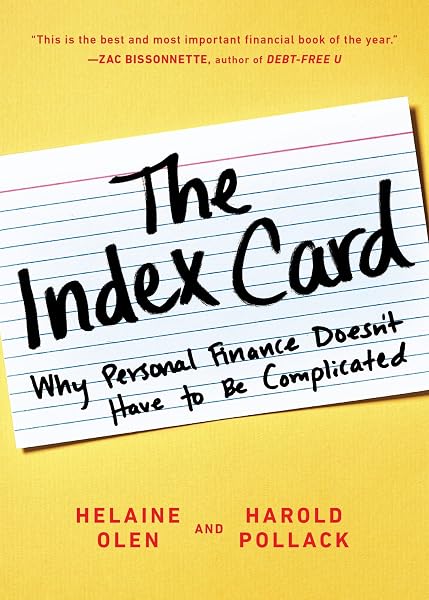
The Index Card
Helaine Olen & Harold Pollack · 2016 · 256 pages · 4.6/5
Best for: the simplest possible plan
Ten rules on a single index card. If every other book on this list feels like too much, start here: it compresses saving, insurance, debt and investing into one page you can tape inside a cupboard door.
The entire case for simple personal finance, written on an index card because it really does fit. Save, buy index funds, avoid debt, ignore the noise.
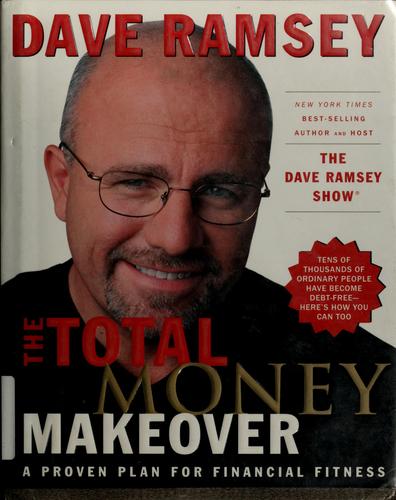
The Total Money Makeover
Dave Ramsey · 2003 · 272 pages · 4/5
Best for: getting out of debt
A blunt, step-by-step debt payoff plan built on small wins. The advice on behaviour — not maths — is what makes it work for people who have tried and failed before.
Dave Ramsey turns debt payoff and saving into a straight line: a starter emergency fund, a debt snowball, then steady, disciplined investing.
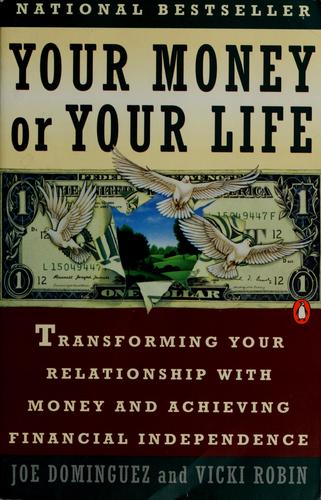
Your Money or Your Life
Vicki Robin · 1992 · 368 pages · 4.5/5
Best for: spending less without feeling deprived
The classic on the relationship between money and time. It asks you to price purchases in hours of your life, which is the most durable cure for lifestyle inflation we know.
A classic that reframes money as life energy: track what you trade your hours for, spend on what truly satisfies you, and reach the crossover point.
The Millionaire Next Door
Thomas J. Stanley & William D. Danko · 1996 · 258 pages · 4.5/5
Best for: what wealthy people actually look like
A data-driven antidote to social media wealth. The research shows that most millionaires are ordinary people who spent decades living below their means, not high earners with expensive habits.
The surprising habits of America's wealthy: most millionaires are frugal, debt-averse and invisible — not the people you would expect.
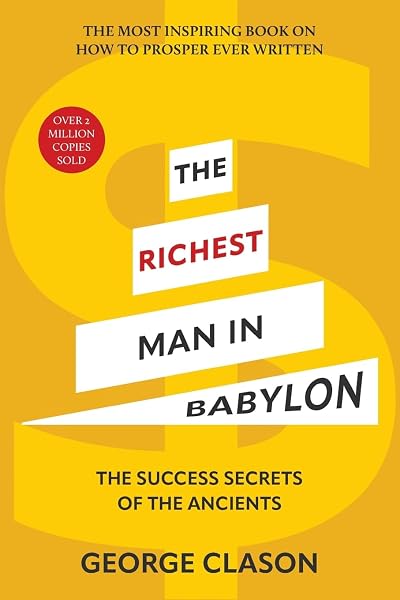
The Richest Man in Babylon
George S. Clason · 1926 · 144 pages · 4.6/5
Best for: saving your first 10%
Short parables, one clear rule: pay yourself first. It is the oldest personal finance book that still works, and the fastest read on this list.
Ancient Babylon's money rules told as simple parables: pay yourself first, live below your means, and make your gold multiply.
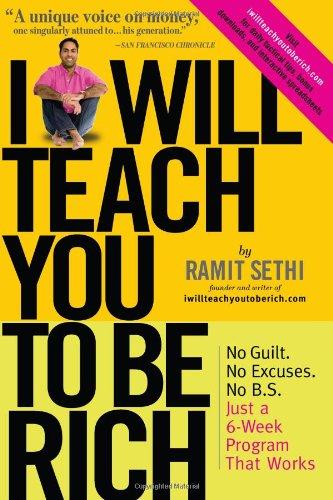
I Will Teach You to Be Rich
Ramit Sethi · 2009 · 352 pages · 4.5/5
Best for: automating the whole system
The most practical book about making good behaviour automatic. Fixed costs, conscious spending and automatic transfers do more than any budget spreadsheet ever will.
Ramit Sethi skips the guilt and the lattes: automate your finances, spend freely on what you love, and invest early in simple, low-cost funds.
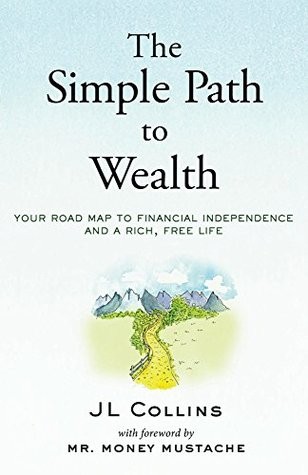
The Simple Path to Wealth
JL Collins · 2016 · 286 pages · 4.7/5
Best for: a boring, working investment plan
One chapter on index funds is worth the whole book. It explains why a low-cost total-market fund beats almost every clever strategy, without pretending investing is exciting.
A simple, practical guide to financial independence through consistent index-fund investing and less complexity.
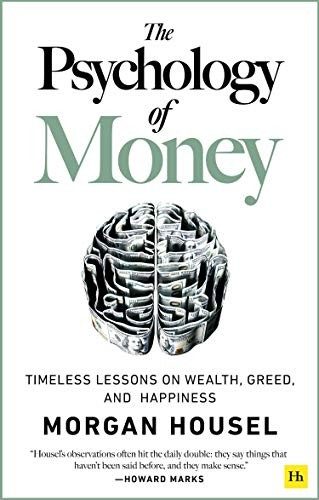
The Psychology of Money
Morgan Housel · 2020 · 256 pages · 5/5
Best for: understanding your own behaviour
Not a how-to book — a why-we-do-this book. Read it after you have a plan, because it explains the mistakes that ruin otherwise sensible plans.
The best book on the psychology of money: why people behave strangely with their wealth, and why financial success is behaviour, not IQ.
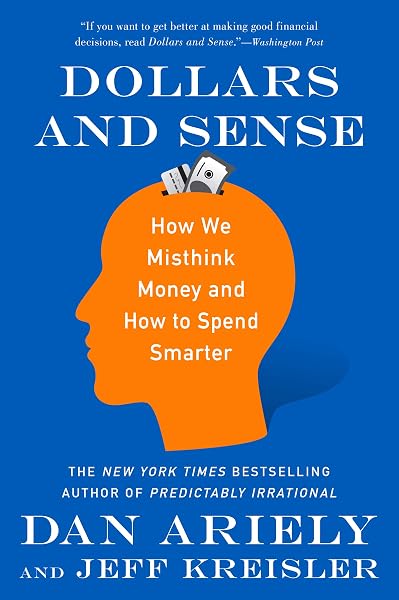
Dollars and Sense
Dan Ariely & Jeff Kreisler · 2017 · 288 pages · 4.4/5
Best for: spending smarter, not just less
A behavioural look at the money decisions you make every day: sales, subscriptions, free trials and the mental accounting behind them. Practical and unusually honest.
Money decisions are emotional, not mathematical. A behavioural economist shows why the price tag is a story we tell ourselves, and how to spot the tricks your own brain plays.
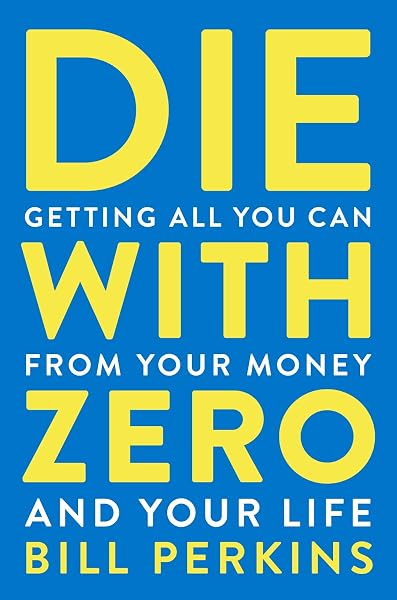
Die With Zero
Bill Perkins · 2020 · 240 pages · 4.4/5
Best for: spending the money you saved
The counterweight to every over-saving book. It argues that money is only useful when it is converted into experiences, help and time — and gives a framework for spending it deliberately.
The goal is not to die rich. It is to convert money into experiences while you still have the health to enjoy them — and to spend the last dollar on the last day.
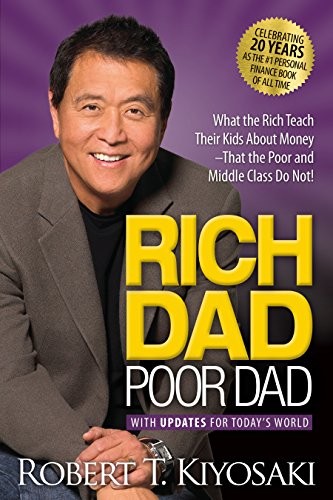
Rich Dad Poor Dad
Robert Kiyosaki · 1997 · 336 pages · 4.5/5
Best for: the asset mindset (read critically)
The book that made "buy assets, not liabilities" a mainstream idea. Some examples are loose with risk and tax, so read it for the mindset and verify the specifics elsewhere.
The book that changed how millions think about money: why the rich buy assets while everyone else works for a paycheck.
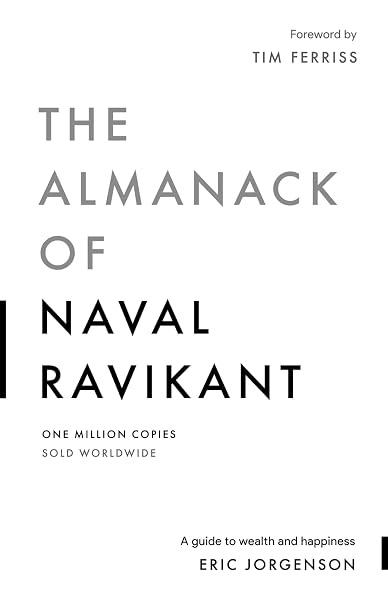
The Almanack of Naval Ravikant
Eric Jorgenson · 2020 · 242 pages · 4.7/5
Best for: wealth as leverage and freedom
A collection of aphorisms about specific knowledge, leverage and owning equity. It is philosophy rather than a plan, but it reframes what a career is for.
Wealth and happiness explained through one investor's principles: specific knowledge, leverage, and learning to be content with what you already have.
How to choose
If you have debt at a credit-card interest rate, start with The Total Money Makeover. Nothing else on this list matters until the debt stops growing.
If you have no debt but no savings, start with The Index Card or The Richest Man in Babylon. You need a rule you can follow, not a strategy.
If you already save consistently and want to invest, go straight to The Simple Path to Wealth. It is the shortest route from "I save" to "my money works".
If you have read three of these and still overspend, read Your Money or Your Life and Dollars and Sense before buying another book. The problem is not information.
Frequently asked questions
What is the best personal finance book for a complete beginner?
The Index Card. It is deliberately short, covers the decisions that matter most, and does not assume any background in finance. Read it in an afternoon, then pick one rule and apply it for a month.
Are these books useful outside the United States?
The behaviour and saving principles travel well; the tax, retirement and credit details do not. Titles such as The Index Card and The Total Money Makeover are US-specific in places, so pair them with local guidance for accounts and taxes.
Do I need to buy the books, or are the summaries enough?
Our summaries are designed to help you decide. For a book that matches your current problem, buy the full edition — the examples and nuance are where the value is. For the rest, the summary is enough to borrow the idea.
How many of these should I read?
One at a time, and only the one that matches your next decision. Reading twelve personal finance books without changing a single account is a hobby, not a plan.
📚 More buying guides
More ranked lists for the problems you are solving next.