The Total Money Makeover
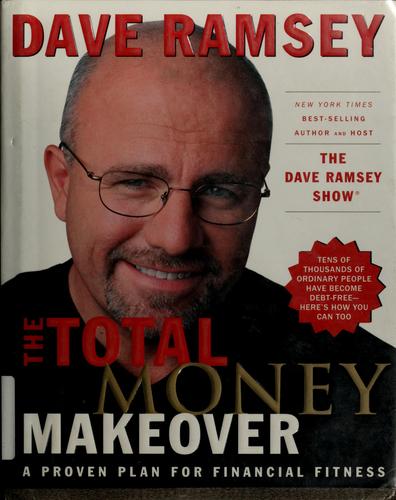
Dave Ramsey turns debt payoff and saving into a straight line: a starter emergency fund, a debt snowball, then steady, disciplined investing.
The Core Idea
Ramsey treats money problems less as arithmetic than as behaviour, and he is blunt about it. His promise is not clever investing but a plain, ordered sequence that destroys debt, builds a cushion and then grows wealth over time. The plan is deliberately simple so that momentum, not willpower, does the motivating, and he repeats the steps until they feel less like advice and more like a staircase you can actually see the top of. He is fond of saying that personal finance is mostly personal and only a little bit finance, and the entire book is built on that belief. If you have ever known exactly what to do and still not done it, you are the reader he has in mind.
The Seven Baby Steps
The whole system is a numbered climb, and each rung is meant to be finished before the next one begins. Skipping ahead, he warns, is the most common way people quietly sabotage themselves.
- Save a starter emergency fund. One thousand, fast, so small shocks stop turning into new debt and you stop reaching for a credit card in a bad week.
- Attack debt with the snowball. List debts smallest to largest, pay the minimums, and aim everything else at the smallest until it vanishes, then roll that payment into the next.
- Build three to six months of expenses. Real security, held in cash, before you invest a single dollar in anything that can fall in value.
- Invest fifteen percent for retirement. Consistently, for the long term, in growth-oriented funds, and never touch it for a car or a holiday.
- Fund the children’s education. After your own retirement is on track, never instead of it, because there are no student loans for retirement.
- Pay off the home early. Clearing the mortgage buys freedom, lowers risk and frees monthly cash flow for generosity.
- Build wealth and give. Live with margin, generosity and no payments left to make, and enjoy the freedom you spent years building.
Why Snowball, Not Avalanche
Mathematically, clearing the highest interest rate first saves the most money. Ramsey deliberately ignores that. He knows behaviour beats spreadsheets: a quick win on a small debt builds belief, and belief carries you through the long, unglamorous middle stretch when the numbers barely seem to move and the excitement has worn off. He is less interested in the optimal path than in the path most people will actually finish, and finishing is what changes a life. Critics call this inefficient, and they are right on paper, but paper does not pay off debt.
Cash, Insurance and Contentment
He favours cash and debit over credit cards, insists on appropriate insurance before investing, and argues that keeping up with the neighbours is a trap that keeps people broke no matter how much they earn. Contentment, he says, is a financial skill you can practise like any other, and the discipline of spending less than you earn matters far more than the size of your salary. The book is as much about identity and habit as it is about money, and the stories of people who broke the cycle are there to make the steps feel possible rather than theoretical. For all the tough talk, the underlying message is hopeful: almost anyone can change course if they are willing to be boring for a while and to keep going after the novelty fades.
Honest Limits
The investing guidance is simplified and leans on assumed market returns that are never guaranteed; some advisers consider the expected growth optimistic and the early mortgage payoff debatable when rates are low. The tone can also feel scolding toward people whose difficulty comes from illness or low pay rather than overspending. A reader outside the United States will find some of the account details awkward to apply directly, and the one-size-fits-all confidence glosses over the many reasons two households with the same income can end up in very different places. Use the structure and the debt momentum, and treat the return figures with healthy scepticism.
🔑 Key actionable ideas
- A small starter fund stops minor shocks becoming new debt.
- The debt snowball chases quick wins to build lasting momentum.
- Behaviour, not optimal maths, is what gets people out of debt.
- Build months of expenses in cash before investing.
- Invest a steady slice for retirement, and never borrow for it.
- Contentment is a skill; comparison is what keeps people broke.
- Assumed market returns are not guarantees — plan conservatively.
Who is this book for?
People drowning in consumer debt or living paycheck to paycheck who need a firm, motivating structure, and beginners who want an ordered plan rather than a menu of options.
Final verdict
The baby-steps structure is genuinely effective for changing behaviour and clearing debt. Pair it with more nuanced investing advice and ignore the scolding tone.