I Will Teach You to Be Rich
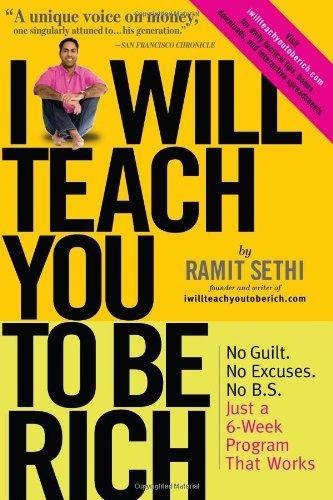
Ramit Sethi skips the guilt and the lattes: automate your finances, spend freely on what you love, and invest early in simple, low-cost funds.
The Core Idea
The promise here is not frugality but freedom built on a spending plan you can actually keep. Sethi argues that most personal-finance advice fails because it demands perfection, and that the real fix is an automated system set up once and then left alone to move money to the right places while you get on with your life. He is far more interested in the handful of decisions that genuinely matter — how much you invest, what debt you carry, what you earn — than in the daily guilt of tracking every small purchase or feeling bad about a takeaway coffee. That shift in focus is what makes the book feel liberating rather than restrictive.
Spend Extravagantly, Cut Ruthlessly
His signature idea is a deliberately lopsided budget. Cut costs hard on the things you do not care about, then spend without guilt on the few things you love. A conscious spending plan replaces the endless tallying of receipts with a decision made in advance about what genuinely deserves your money — and, just as importantly, about what does not. The result is a budget that reflects your personality instead of shaming it.
- Fixed costs: roughly half of take-home pay for rent, utilities and essentials.
- Investments: a set slice routed to retirement before you can spend it.
- Savings goals: a smaller slice for the things you are deliberately building toward.
- Guilt-free spending: the remainder, spent freely and without apology.
Automate Everything
The real engine is automation. Set up transfers so that on payday money flows to retirement, savings and bills before your hands ever touch it; whatever remains is yours to spend as you like. He calls this the 85% solution — you do not need every account perfectly optimised, just the four or five big levers working reliably in the background. The system, not your willpower, carries the plan through busy months and tempting weeks, which is exactly why it keeps working when motivation fades.
The Big Wins
Sethi ranks the moves that actually move the needle: invest early, because decades of compounding dwarf clever stock picking; destroy high-interest debt; use low-cost index funds instead of expensive products; negotiate your salary; and stop paying for advice you do not need. Almost everything else, he insists, is noise dressed up as diligence. The order matters as much as the actions, because even a brilliant portfolio cannot outrun a credit card charging punishing interest every month. A single percentage point of extra saving, repeated for thirty years, beats a month of heroic budgeting every time.
Living Rich
The book is as much about attitude as arithmetic. He pushes back on the idea that money is dirty or that wanting nice things is shallow. Being rich means spending on your values, not apologising for them, and it is entirely possible to be generous, comfortable and responsible all at once. The point of the whole system is to buy the life you actually want, not to win a competition for the smallest grocery bill or the longest streak of self-denial. He is also candid that comparison is the fastest way to feel poor, no matter what your accounts say.
Sethi returns repeatedly to patience. Markets fall, plans wobble, and friends appear to get rich faster, but the person who keeps investing through all of it usually ends up ahead of the one who starts and stops. He treats consistency as a skill to be engineered rather than a virtue to be wished for, which is why automation sits at the centre of everything else. Read the chapter on investing twice: it is the part most readers skim and the part that matters most.
Honest Limits
The American specifics — retirement accounts, credit scores and tax shelters — age quickly and do not travel well, and the breezy confidence can underplay real hardship where income simply does not stretch far enough. Still, the automation habit and the honesty about your own values are portable, and they do more good than another round of guilt ever will. Adapt the account details to your own country and tax rules before acting on the fine print.
🔑 Key actionable ideas
- Automate the big money decisions so discipline stops being a daily battle.
- Spend freely on what you love and cut ruthlessly on what you do not.
- Start investing early — time beats clever stock picking.
- Kill high-interest debt before chasing returns elsewhere.
- The 85% solution beats waiting for a perfect plan.
- Negotiating your income can outweigh years of small savings.
- Money is a tool for the life you want, not a source of shame.
Who is this book for?
Young adults and anyone who earns a decent salary yet never seems to keep any of it, especially people who dislike spreadsheets and want a system rather than a lecture.
Final verdict
A practical, upbeat starter kit whose core habit — automate the important stuff — is genuinely powerful. Adjust the account-specific details to your country and tax rules.