

Thinking, Fast and Slow
★★★★⯨ 4.6
The Nobel-winning tour of how two systems in the mind shape judgement — and why a confident feeling is often a poor guide to actually being right.
Self-Development
Summaries of books on habits, focus, productivity and thinking — to become a better version of yourself.
The Nobel-winning tour of how two systems in the mind shape judgement — and why a confident feeling is often a poor guide to actually being right.

Why habits live in our brains, how companies and movements exploit them, and how to rebuild your own routines deliberately without relying on willpower.

Why sustained passion and perseverance predict achievement at least as well as talent — and how to cultivate both in yourself and in the people you lead.
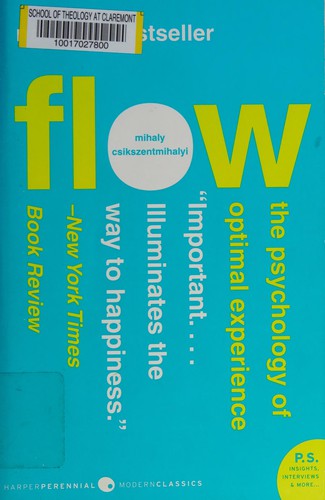
The classic study of optimal experience: how full absorption in challenging work makes life feel worth living, and how to find far more of it in ordinary days.
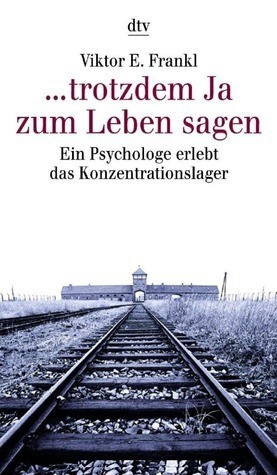
A psychiatrist survives the camps and draws a quiet, profound conclusion: those who have a why can endure almost any how, and meaning is a choice we keep.
The disciplined pursuit of less: how to identify the vital few things that matter and say a graceful no to almost everything else demanding your attention.
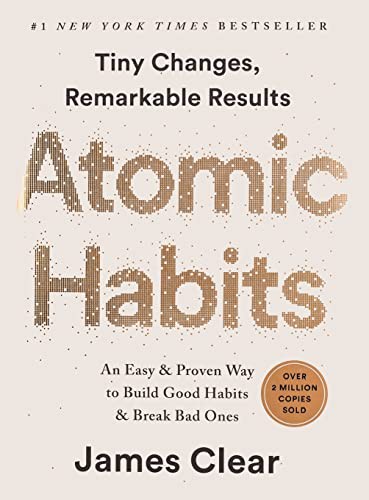
The most popular book on habit-building: how small changes compound into remarkable results, and how bad habits break down.
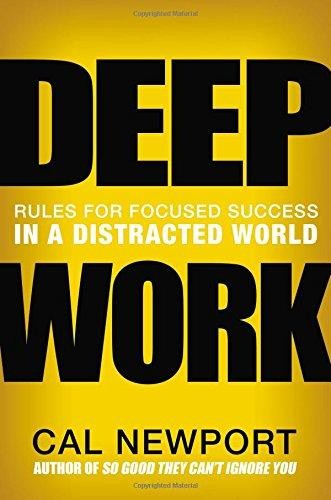
In a distracted world, the ability to focus deeply is the rare skill that creates outsized results.
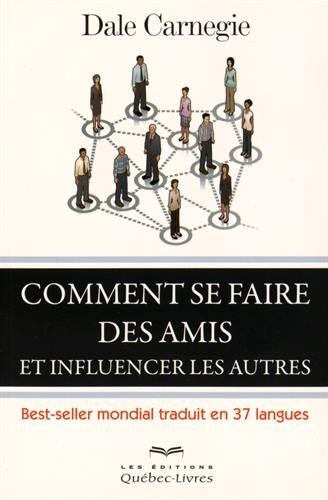
The classic on communication and influence: how to build better relationships and avoid needless conflict.
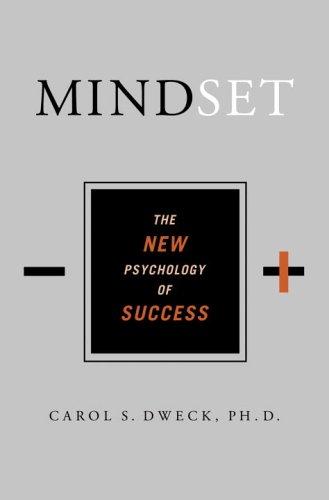
The difference between a fixed and a growth mindset, and how it shapes how you see failure, success and learning.
Overthinking disguises itself as careful thinking, but it is usually a loop that quietly replaces action. Here is how to notice the loop and break it with small, concrete moves.
Attention is the raw material of everything you care about. These practical changes help you take it back from feeds that were designed to keep it.
Reading faster is less about racing and more about dropping the habits that slow you down. A realistic guide to reading more without losing comprehension.
Procrastination is not laziness. It is a mood-repair habit, and understanding the feeling you are avoiding is the first step to actually getting things done.
Most habits fail in the second week. These techniques make yours last months and years.
Why does a day pass with nothing done? A practical system built on priorities and focus blocks instead of long lists.

Reading a lot is not a speed race — it is a system and a set of techniques. Here is a plan to read more and understand deeper.