Rich Dad Poor Dad
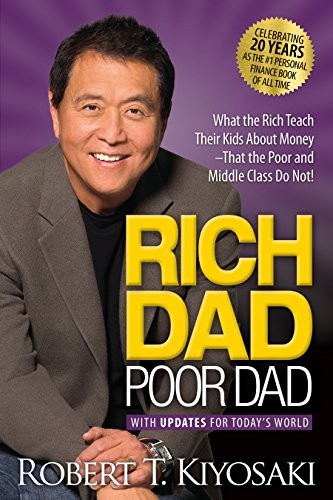
The book that changed how millions think about money: why the rich buy assets while everyone else works for a paycheck.
The central idea
Kiyosaki frames the book as a contrast between two fathers: his biological father — highly educated with a stable job but always struggling financially — and his best friend's father, who left school early yet built real wealth. The point is not to copy a person, but to dismantle the difference in how they think about money.
Assets vs. liabilities
The core tool is a financial redefinition of two words everyone knows but few truly understand:
- An asset puts money into your pocket (rental property, dividend stocks, a business, intellectual property).
- A liability takes money out (a financed car, a home you live in with no income, consumer debt).
The problem is that most people spend a lifetime buying things they believe are assets when they are actually liabilities that drain their income without producing anything.
Why the rat race never ends
Kiyosaki argues the cycle repeats: study to get a good job, earn more and spend more, so you become more dependent on the job. Every raise turns into more spending instead of more assets. The solution is not a bigger salary, but routing part of every income into building assets.
Financial education
The book insists that school teaches us to work for money, not to make money work for us. Financial literacy — understanding assets, liabilities, cash flow, taxes and risk — is the missing skill that makes the difference.
A fair critique
Fair criticism: some examples (especially real estate and short-term trading) depend on specific markets, and several ideas need serious caution in different legal and tax environments. Read it for the asset mindset, not to copy investment specifics literally.
🔑 Key actionable ideas
- The rich build assets; everyone else buys liabilities they mistake for assets.
- Cutting expenses alone is not enough — grow your assets over time.
- Teach yourself (and your kids) financial literacy.
- Manage risk; don't avoid it completely or gamble recklessly.
- Make money work for you instead of working for money forever.
- Choose skills and careers with a view to the future, not just today's salary.
Who is this book for?
Anyone starting to understand money — especially young people and new graduates — and anyone whose salary vanishes without leaving a trace.
Final verdict
A genuinely useful book as a starting mindset, best read critically. Take the asset mindset and apply it with safe tools in your own context.