The Psychology of Money
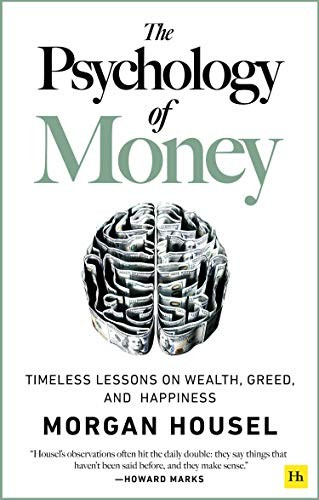
The best book on the psychology of money: why people behave strangely with their wealth, and why financial success is behaviour, not IQ.
Money is behaviour, not math
Housel's key argument: financial success is not about intelligence or information as much as behaviour. Doing well with money has little to do with how smart you are and a lot to do with how you behave.
Nobody is crazy
People's financial decisions look irrational because everyone lives through a different set of market experiences. Someone who grew up poor fears risk; someone raised wealthy sees markets as safe. Different backgrounds do not make either person "crazy".
Luck and risk
Success and failure in money come largely from luck and risk, not skill alone. So judge decisions by the quality of the decision, not just the outcome — a good decision can produce a bad result, and vice versa.
Room for error
The book explains why Buffett succeeded so massively: not because he was the smartest, but because he started early and stayed invested the longest. Time is the most powerful factor in investing, not clever timing.
The freedom of saving
Saving buys something priceless: control over your time. The ability to wait and to not touch your savings is the real secret. Saving for freedom, not for a specific purchase, wins in the long run.
🔑 Key actionable ideas
- Financial behaviour matters more than financial intelligence.
- Consistent small savings beat brilliant market timing.
- Treat greed and fear as your two biggest enemies.
- Diversify and set safety margins to avoid catastrophic loss.
- Freedom to choose your time matters more than the biggest number.
- Give risk room; never bet everything on one outcome.
Who is this book for?
For anyone who knows the financial basics but feels their emotions sabotage them — and for readers who want a mindset, not just numbers.
Final verdict
One of the most useful modern money books — practical and mature. Great for beginners and veterans alike.