
The 10 Best Programming Books for Developers (2026)
The best programming books for developers: clean code, architecture, debugging, product thinking and the classics that still repay a reread.
Programming books age quickly when they teach a framework and slowly when they teach a way of thinking. This list is deliberately weighted toward the second kind.
Some are old. That is a feature: the problems they describe — naming, coupling, complexity, feedback — are the problems you will still have in ten years, whatever language you are writing.
📊 Quick picks
The short version, with the reason each book is here.
| # | Book | Best for | Rating | |
|---|---|---|---|---|
| 1 | The Pragmatic Programmer Andrew Hunt |
the first book every developer should read | 5/5 | Amazon |
| 2 | Clean Code Robert C. Martin |
writing code other people can read | 4.7/5 | Amazon |
| 3 | The Clean Coder Robert C. Martin |
professional habits and career | 4.6/5 | Amazon |
| 4 | Refactoring Martin Fowler |
improving code without breaking it | 4.7/5 | Amazon |
| 5 | Designing Data-Intensive Applications Martin Kleppmann |
understanding real systems | 4.8/5 | Amazon |
| 6 | The Phoenix Project Gene Kim |
how teams actually ship | 4.6/5 | Amazon |
| 7 | The Mythical Man-Month Frederick P. Brooks Jr. |
why projects fail | 4.5/5 | Amazon |
| 8 | Don't Make Me Think Steve Krug |
designing interfaces people understand | 4.5/5 | Amazon |
| 9 | The Mom Test Rob Fitzpatrick |
building the right thing | 4.7/5 | Amazon |
| 10 | The Lean Startup Eric Ries |
shipping and learning faster | 4.5/5 | Amazon |
As an Amazon Associate we earn from qualifying purchases. This does not change the price you pay.
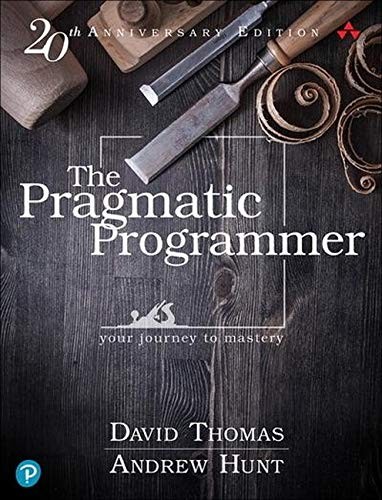
The Pragmatic Programmer
Andrew Hunt · 1999 · 352 pages · 5/5
Best for: the first book every developer should read
Habits, not syntax: DRY, orthogonality, tracer bullets, and taking ownership of your work. The 20th-anniversary edition is worth the upgrade.
Hunt and Thomas distil decades of hard-won craft into practical habits: stay curious, keep code honest, automate the boring parts, and own your work.
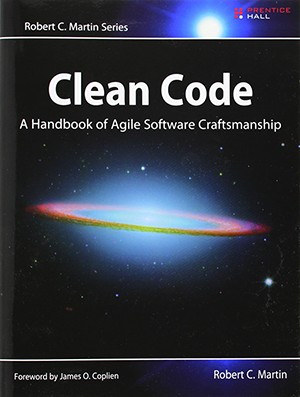
Clean Code
Robert C. Martin · 2008 · 464 pages · 4.7/5
Best for: writing code other people can read
Names, functions, comments and error handling, argued with examples. Some rules are dogmatic, but the core message — code is read far more often than written — is right.
The classic guide to writing code humans can read — clear names, small functions and maintainable structure.
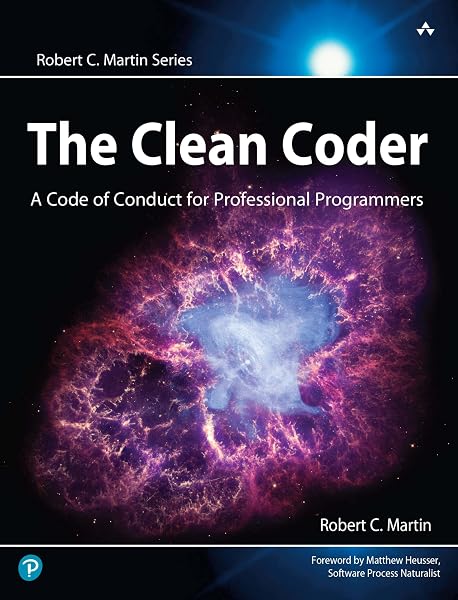
The Clean Coder
Robert C. Martin · 2011 · 256 pages · 4.6/5
Best for: professional habits and career
The companion to Clean Code, focused on discipline, estimation, testing and managing your own attention. Less about syntax, more about how to be a reliable engineer.
What separates a programmer who writes code from a professional who can be trusted with a deadline. Mostly it is honesty about time and quality.
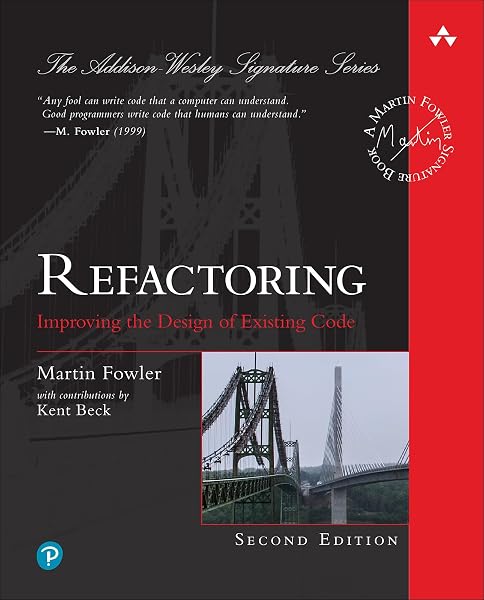
Refactoring
Martin Fowler · 2018 · 448 pages · 4.7/5
Best for: improving code without breaking it
The catalogue of safe transformations that made refactoring a discipline. Read the first chapters even if you never use the full catalogue.
How to improve the design of existing code in small, safe, tested steps — without a rewrite. The book that gave the industry its vocabulary for cleaning up after itself.
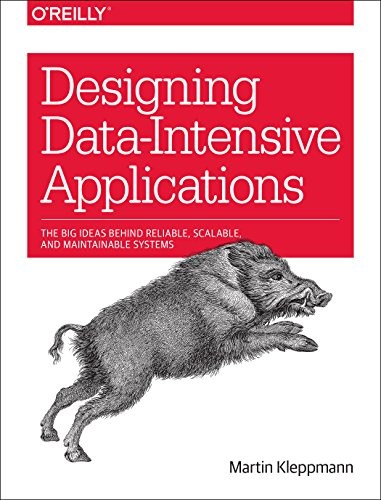
Designing Data-Intensive Applications
Martin Kleppmann · 2017 · 616 pages · 4.8/5
Best for: understanding real systems
The best single book on storage, replication, partitioning and distributed trade-offs. Dense, but it changes how you reason about every backend you touch.
A deep, vendor-neutral tour of how modern data systems really work — storage engines, replication, consensus and the trade-offs that no architecture can escape.
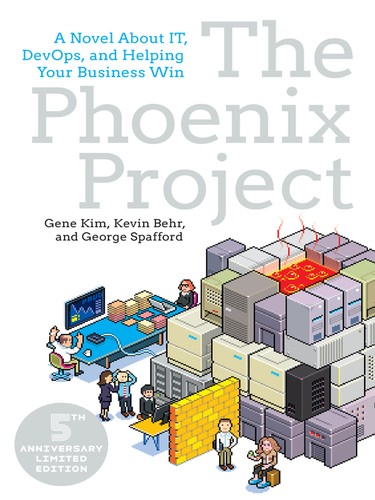
The Phoenix Project
Gene Kim · 2013 · 386 pages · 4.6/5
Best for: how teams actually ship
A novel about DevOps, bottlenecks and blame. It is the fastest way to understand why delivery slows down and what to do about it.
A business novel that turns a failing IT department into a gripping rescue story — and teaches the flow, constraint and feedback principles that save it.

The Mythical Man-Month
Frederick P. Brooks Jr. · 1975 · 322 pages · 4.5/5
Best for: why projects fail
Brooks' essays on communication overhead and adding people to late projects. Still painfully accurate after five decades.
The classic book on software engineering management: why adding people to a late project makes it later.
Don't Make Me Think
Steve Krug · 2014 · 216 pages · 4.5/5
Best for: designing interfaces people understand
Usability principles that apply to APIs, dashboards and documentation as much as to websites. Short, funny and immediately useful.
The short, friendly classic on web usability: why obvious design beats clever design, and how to test your site with real users on almost no budget.
The Mom Test
Rob Fitzpatrick · 2013 · 136 pages · 4.7/5
Best for: building the right thing
Customer interviews and product judgement for people who write code. It will save you from building a feature nobody asked for.
How to talk to customers and learn the truth about your idea. Short, funny, and quietly brutal about how badly most people run customer conversations.
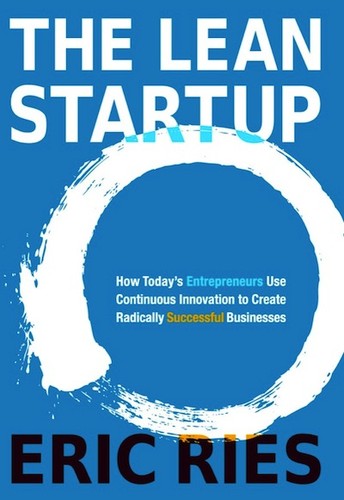
The Lean Startup
Eric Ries · 2011 · 336 pages · 4.5/5
Best for: shipping and learning faster
The build-measure-learn loop, applied honestly. Some of the examples are dated, but the discipline of testing assumptions early is not.
A method for building products fast and learning from customers before burning money — build, measure, learn.
How to choose
If you are early in your career, read The Pragmatic Programmer and Clean Code first. They compound for the rest of your working life.
If you work on backends or data, Designing Data-Intensive Applications is the highest-leverage book on this list. Give it a month, not a weekend.
If your team ships slowly, read The Phoenix Project before proposing any process change. It gives everyone a shared vocabulary for the problem.
If you build products, read The Mom Test and Don't Make Me Think. One is about deciding what to build; the other is about making it usable.
Frequently asked questions
What is the best programming book for beginners?
The Pragmatic Programmer. It teaches habits that survive language changes, and it is readable before you have years of experience. Pair it with a language-specific tutorial so you can practise.
Are these books still relevant in 2026?
The thinking books are. Clean Code, Refactoring, The Mythical Man-Month and DDIA are about complexity and communication, which AI tools have not removed. Framework-specific books are the ones that age out.
Should I read Clean Code or The Clean Coder first?
Clean Code first if you want to improve the code you write today; The Clean Coder first if you are thinking about how to grow as a professional. They overlap less than the titles suggest.
Can I learn to program from books alone?
You can learn the ideas, but not the skill. Every book on this list assumes you are writing code alongside it. Use the book to improve what you build, not to replace building.
📚 More buying guides
More ranked lists for the problems you are solving next.