Clean Code
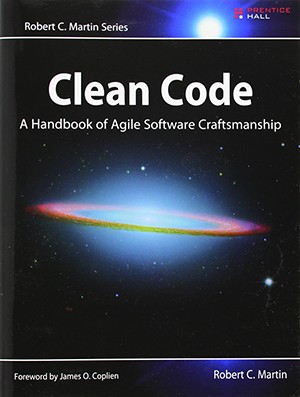
The classic guide to writing code humans can read — clear names, small functions and maintainable structure.
Code is for humans
The core idea: code is read far more than it is written, so time spent improving readability pays back many times over in maintenance.
Meaningful names
Don't abbreviate until ambiguity becomes the rule. A good name tells you what it does without a comment.
Small functions
A function should do one thing and operate at one level of abstraction. Smaller and clearer functions are easier to test.
Comments come last
Don't comment bad code — rewrite it. Good comments explain why, not what.
Testing and refactoring
The book covers automated tests as a safety net that enables improvement, plus the discipline of teamwork.
🔑 Key actionable ideas
- Code is read more than written — write for human readers.
- Clear names beat comments.
- Small, single-purpose functions are easier to maintain.
- Don't comment bad code; rewrite it.
- Test continuously to enable change.
- Maintenance is part of design, not an afterthought.
Who is this book for?
For programmers, students, and anyone who wants to raise the quality of their code.
Final verdict
One of the most important software-engineering books — take it seriously and apply it to a real project.