
The 8 Best Books on Habits and Focus (2026)
The best books on habits and focus: how to start a routine, keep it going, and protect your attention from a phone designed to steal it.
Habits and focus are the same problem seen from two sides. A habit is what you do automatically; focus is what you protect from everything else. Books that solve one usually ignore the other, so this list pairs them.
These eight are the ones we keep recommending after the hype cycle has moved on. Each has a clear mechanism, not just a slogan.
📊 Quick picks
The short version, with the reason each book is here.
| # | Book | Best for | Rating | |
|---|---|---|---|---|
| 1 | Atomic Habits James Clear |
the four laws of behaviour change | 4.9/5 | Amazon |
| 2 | The Power of Habit Charles Duhigg |
the science behind routines | 4.5/5 | Amazon |
| 3 | Deep Work Cal Newport |
protecting long stretches of attention | 4.6/5 | Amazon |
| 4 | Indistractable Nir Eyal |
escaping distraction without willpower | 4.4/5 | Amazon |
| 5 | Digital Minimalism Cal Newport |
a healthier relationship with your phone | 4.5/5 | Amazon |
| 6 | Essentialism Greg McKeown |
focusing on the right things | 4.4/5 | Amazon |
| 7 | Flow Mihaly Csikszentmihalyi |
making hard work enjoyable | 4.5/5 | Amazon |
| 8 | Four Thousand Weeks Oliver Burkeman |
accepting limits | 4.5/5 | Amazon |
As an Amazon Associate we earn from qualifying purchases. This does not change the price you pay.
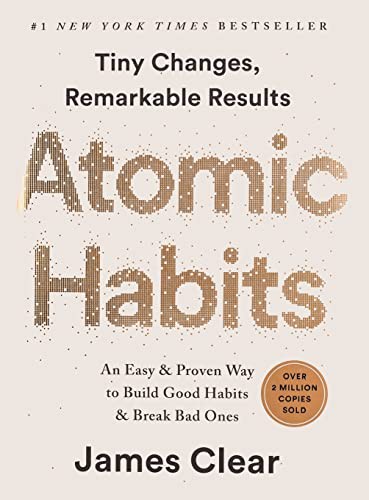
Atomic Habits
James Clear · 2018 · 320 pages · 4.9/5
Best for: the four laws of behaviour change
Still the best starting point: cue, craving, response, reward, turned into four practical laws. The chapter on environment design alone is worth the book.
The most popular book on habit-building: how small changes compound into remarkable results, and how bad habits break down.
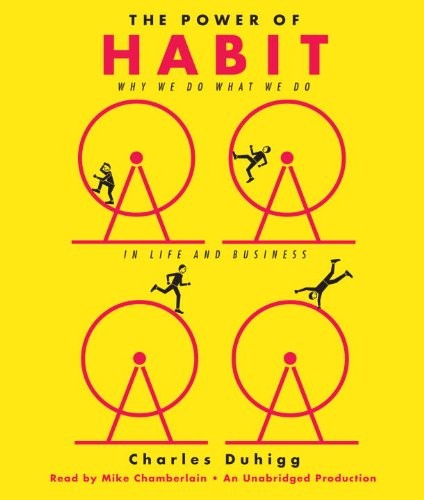
The Power of Habit
Charles Duhigg · 2012 · 371 pages · 4.5/5
Best for: the science behind routines
Duhigg's cue-routine-reward loop explains why habits persist and how to swap the middle step. A useful complement to Atomic Habits rather than a replacement.
Why habits live in our brains, how companies and movements exploit them, and how to rebuild your own routines deliberately without relying on willpower.
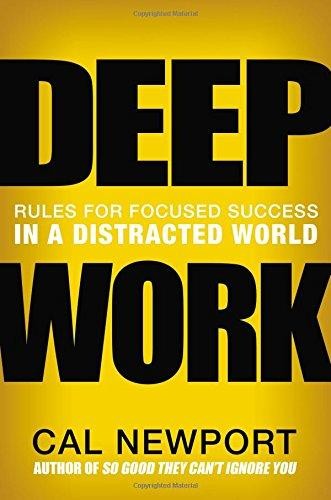
Deep Work
Cal Newport · 2016 · 304 pages · 4.6/5
Best for: protecting long stretches of attention
The definitive argument for undistracted work, with concrete routines for building it. If your day is meetings and notifications, start here.
In a distracted world, the ability to focus deeply is the rare skill that creates outsized results.
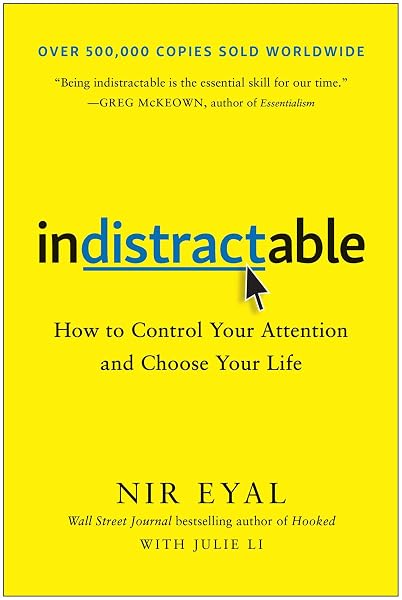
Indistractable
Nir Eyal · 2019 · 290 pages · 4.4/5
Best for: escaping distraction without willpower
Nir Eyal turns distraction into a design problem: time, triggers, tasks and temperament. The four-part framework is unusually practical.
A practical system for attention: manage the internal triggers, timebox your day, and make distraction harder rather than fighting it with willpower.
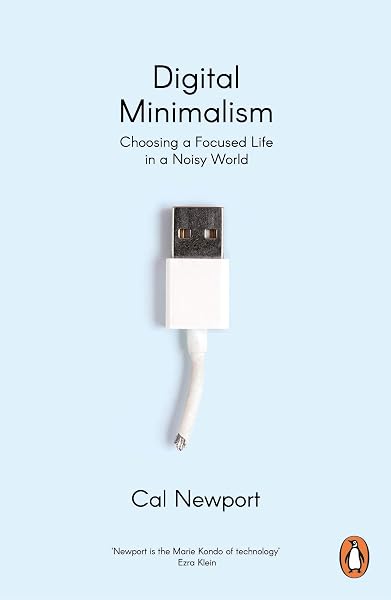
Digital Minimalism
Cal Newport · 2019 · 304 pages · 4.5/5
Best for: a healthier relationship with your phone
Less a productivity book than a philosophy of technology use. The 30-day declutter is the most effective reset we have tried.
A philosophy for using technology deliberately rather than by default, with a 30-day practice for taking your attention back.
Essentialism
Greg McKeown · 2014 · 260 pages · 4.4/5
Best for: focusing on the right things
Focus is worthless if it is aimed at the wrong work. Essentialism is the discipline of choosing fewer, better commitments.
The disciplined pursuit of less: how to identify the vital few things that matter and say a graceful no to almost everything else demanding your attention.
Flow
Mihaly Csikszentmihalyi · 1990 · 303 pages · 4.5/5
Best for: making hard work enjoyable
Explains the conditions for absorbed attention: clear goals, immediate feedback and a challenge matched to skill. Useful for designing work you do not have to force yourself into.
The classic study of optimal experience: how full absorption in challenging work makes life feel worth living, and how to find far more of it in ordinary days.
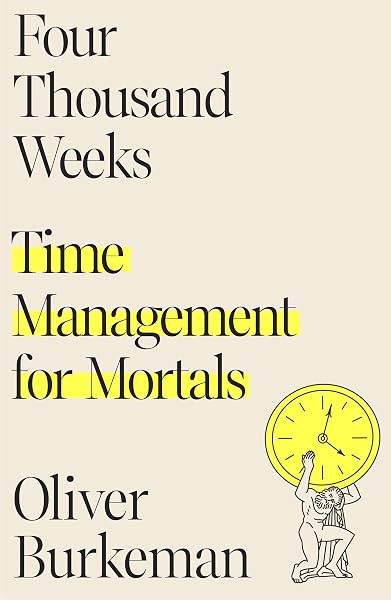
Four Thousand Weeks
Oliver Burkeman · 2021 · 288 pages · 4.5/5
Best for: accepting limits
A philosophical counterweight to productivity culture. It will not help you do more; it will help you stop feeling guilty about doing less.
An eighty-year life is about four thousand weeks. This is a time-management book that argues the backlog will never be cleared — and that accepting this is the only way to live.
How to choose
If you cannot start, read Atomic Habits. If you start and cannot continue, read Grit or The Power of Habit.
If you can focus but on the wrong things, read Essentialism. If you cannot focus at all, read Deep Work and Indistractable.
If you feel addicted to your phone, read Digital Minimalism before any productivity book. You cannot optimise a day you never actually inhabit.
Frequently asked questions
What is the best book on habits?
Atomic Habits by James Clear. It is the clearest and most actionable, and its four laws give you something to test immediately. The Power of Habit is the better companion for understanding the science.
What is the best book on focus?
Deep Work by Cal Newport for the case and the routines, and Indistractable by Nir Eyal for the practical mechanics of handling triggers. Read Deep Work first if you are deciding; Indistractable first if you are already convinced.
Do habit books work?
They work if you apply one mechanism for a month instead of collecting systems. The most common failure is reading five books and changing nothing.
Which book is best for phone addiction?
Digital Minimalism. It treats the phone as a design problem and a values problem, not just a willpower problem, and the 30-day reset is concrete enough to follow.
📚 More buying guides
More ranked lists for the problems you are solving next.