
The 10 Best Books to Read in Your 20s (2026)
Ten books worth reading in your 20s, chosen for leverage: money habits, deep focus, career capital and people skills that pay off for decades.
Your twenties are the decade with the highest leverage and the least margin for noticing it. Habits, savings rates, skills and relationships started now have thirty or forty years to compound, which is why the right ten books can matter more at twenty-five than at fifty.
This list is deliberately practical. Every book answers a problem most people actually meet in their twenties: money that leaks, focus that fragments, a career chosen by accident, and negotiations entered unprepared. Philosophy appears only where it changes a decision.
You do not need to read all ten in a row. Pick the one that matches your current bottleneck, apply it for a month, and come back for the next. Every entry links to our full summary, so you can test the fit before you buy.
📊 Quick picks
The short version, with the reason each book is here.
| # | Book | Best for | Rating | |
|---|---|---|---|---|
| 1 | Atomic Habits James Clear |
building your first real routines | 4.9/5 | Amazon |
| 2 | The Psychology of Money Morgan Housel |
understanding money before you earn more of it | 5/5 | Amazon |
| 3 | Deep Work Cal Newport |
standing out in a distracted workforce | 4.6/5 | Amazon |
| 4 | How to Win Friends and Influence People Dale Carnegie |
getting along with people unlike you | 4.7/5 | Amazon |
| 5 | Rich Dad Poor Dad Robert Kiyosaki |
the asset mindset, read critically | 4.5/5 | Amazon |
| 6 | Mindset Carol Dweck |
recovering from early failures | 4.7/5 | Amazon |
| 7 | The Almanack of Naval Ravikant Eric Jorgenson |
choosing leverage over mere hard work | 4.7/5 | Amazon |
| 8 | The 7 Habits of Highly Effective People Stephen R. Covey |
a framework for adult responsibility | 4.7/5 | Amazon |
| 9 | So Good They Can't Ignore You Cal Newport |
building career capital instead of chasing passion | 4.5/5 | Amazon |
| 10 | Never Split the Difference Chris Voss |
negotiating your first salary and beyond | 4.7/5 | Amazon |
As an Amazon Associate we earn from qualifying purchases. This does not change the price you pay.
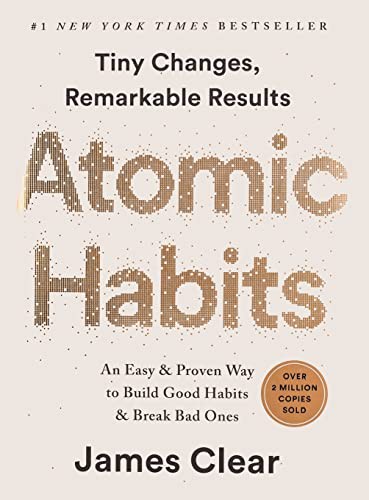
Atomic Habits
James Clear · 2018 · 320 pages · 4.9/5
Best for: building your first real routines
Your twenties are when small daily defaults quietly become your thirties. Clear shows how to design those defaults on purpose, with cues and environments that make good behaviour the easy option. It is the most practical first book on this list.
The most popular book on habit-building: how small changes compound into remarkable results, and how bad habits break down.
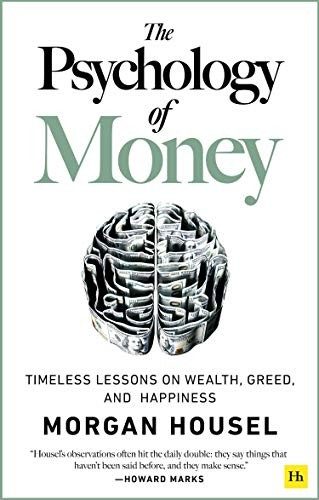
The Psychology of Money
Morgan Housel · 2020 · 256 pages · 5/5
Best for: understanding money before you earn more of it
Income usually rises in your twenties, and so do money mistakes. Housel explains why behaviour, patience and room for error matter more than cleverness. Read it before your first serious investing decision, not after your first expensive one.
The best book on the psychology of money: why people behave strangely with their wealth, and why financial success is behaviour, not IQ.
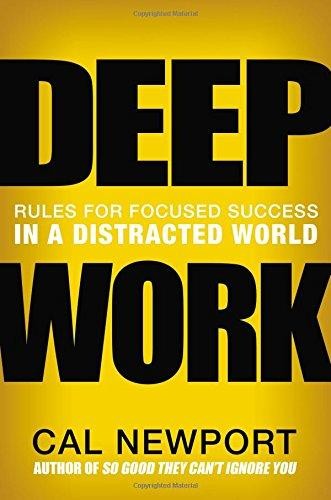
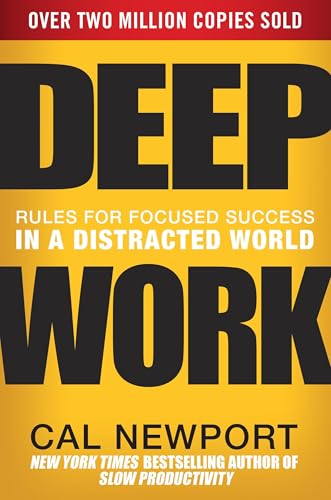
Deep Work
Cal Newport · 2016 · 304 pages · 4.6/5
Best for: standing out in a distracted workforce
Early in a career, the ability to do hard, focused work is a genuine edge, because so few peers can sustain it. Newport gives both the argument and the routines for protecting attention. The skill compounds for the rest of your working life.
In a distracted world, the ability to focus deeply is the rare skill that creates outsized results.
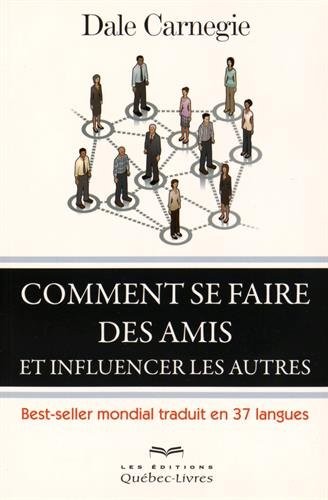
How to Win Friends and Influence People
Dale Carnegie · 1936 · 288 pages · 4.7/5
Best for: getting along with people unlike you
Your twenties multiply the number of people you must work with, live with and negotiate with. Carnegie principles on listening, names and disagreement are old-fashioned and still unusually effective. Read the principles closely and forgive the period anecdotes.
The classic on communication and influence: how to build better relationships and avoid needless conflict.
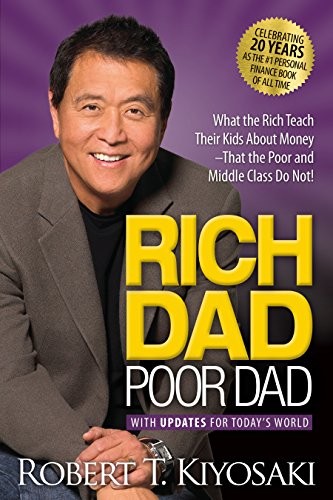
Rich Dad Poor Dad
Robert Kiyosaki · 1997 · 336 pages · 4.5/5
Best for: the asset mindset, read critically
This is the book that introduces many twenty-somethings to the difference between assets and liabilities. That distinction is worth learning early, when buying assets is still cheap in time. Treat its risk and tax examples with caution and verify specifics elsewhere.
The book that changed how millions think about money: why the rich buy assets while everyone else works for a paycheck.
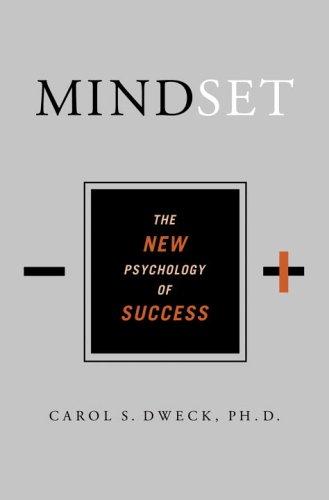
Mindset
Carol Dweck · 2006 · 276 pages · 4.7/5
Best for: recovering from early failures
The setbacks of your twenties — rejected applications, failed exams, a wrong first job — feel permanent and rarely are. Dweck research on fixed and growth mindsets explains why how you interpret failure changes what you attempt next. It is a short idea with a long reach.
The difference between a fixed and a growth mindset, and how it shapes how you see failure, success and learning.
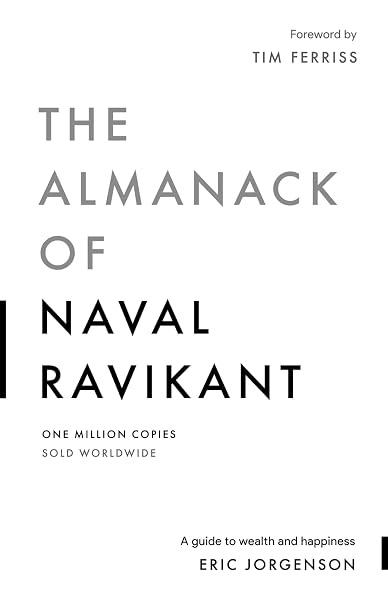
The Almanack of Naval Ravikant
Eric Jorgenson · 2020 · 242 pages · 4.7/5
Best for: choosing leverage over mere hard work
Naval argues that wealth comes from owning assets and using leverage — code, media, capital — rather than trading hours forever. For a reader choosing a career direction, that reframing is the value. It is philosophy to think with, not a step-by-step plan.
Wealth and happiness explained through one investor's principles: specific knowledge, leverage, and learning to be content with what you already have.
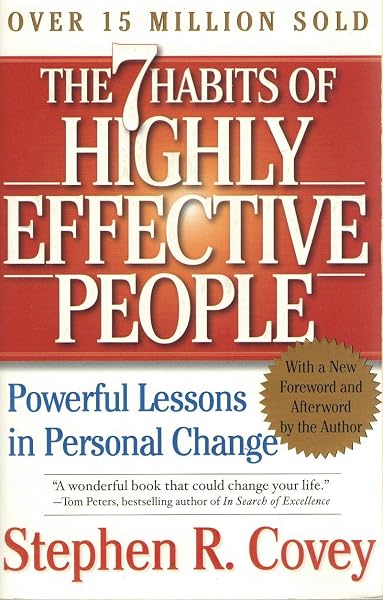
The 7 Habits of Highly Effective People
Stephen R. Covey · 1989 · 432 pages · 4.7/5
Best for: a framework for adult responsibility
Covey habits — be proactive, begin with the end in mind, put first things first — are a solid operating system for a first decade of adult life. Some readers find the language dated. The underlying discipline of owning your responses has not dated at all.
The classic framework for personal effectiveness: be proactive, begin with the end in mind, and put first things first.
So Good They Can't Ignore You
Cal Newport · 2012 · 276 pages · 4.5/5
Best for: building career capital instead of chasing passion
Newport argues that following your passion is weak advice, and that rare, valuable skills are what buy freedom and interesting work. That is exactly the trade a twenty-something is positioned to make. Deliberate practice now is leverage later.
Why "follow your passion" is bad advice — and how rare, valuable skills create the career you actually want.
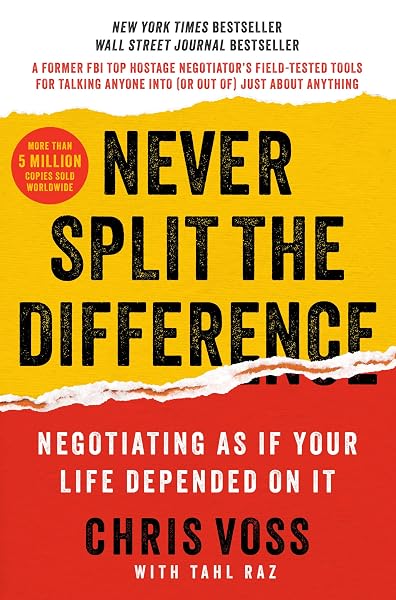
Never Split the Difference
Chris Voss · 2016 · 288 pages · 4.7/5
Best for: negotiating your first salary and beyond
Your first salary, your first rent and your first freelance rate are all negotiations, and most people enter them unprepared. Voss teaches tactical empathy and calibrated questions drawn from hostage negotiation, adapted to ordinary life. One better negotiation can pay for every book on this list.
An FBI hostage negotiator's playbook: tactical empathy, mirroring, labelling and the surprising power of "no".
How to choose
If money is the problem, start with The Psychology of Money and Rich Dad Poor Dad — one for behaviour, one for the asset mindset, read critically.
If focus is the problem, start with Atomic Habits and Deep Work. One builds your routines; the other protects the attention those routines are for.
If career direction is the problem, read So Good They Can’t Ignore You and The Almanack of Naval Ravikant together. One is about building rare skills; the other is about what to do with them.
If people are the problem — interviews, managers, roommates, landlords — read How to Win Friends and Influence People and Never Split the Difference before your next difficult conversation.
Frequently asked questions
What is the single best book to read in your 20s?
Atomic Habits, for most readers. Your twenties set the defaults your thirties will live with, and it is the clearest, most applicable guide to changing those defaults. If money is your urgent problem, The Psychology of Money is the better first pick.
Should I read these in order?
No. The list is ordered roughly from daily behaviour to money, career and people, but the right order is the order of your problems. Start with the bottleneck you feel this month and let the rest wait.
Are these books only for people in their 20s?
No. Every book here helps at any age. They are selected for leverage in your twenties because habits, savings and skills started early have the longest time to compound — a reader at forty will still benefit, just with a shorter runway.
Do I need to buy all ten?
No. Read our summary of each first, buy the one or two that match your current situation, and borrow the rest. Ten unread self-help books on a shelf are a purchase, not a plan.
📚 More buying guides
More ranked lists for the problems you are solving next.