
The 12 Best Self-Development Books of All Time (2026)
The best self-development books, ranked and honest: habits, mindset, focus, meaning and relationships — with what each one is actually good for.
Self-development is the section of the bookshop most likely to sell you confidence and deliver a slogan. The books below survived that filter: they are still quoted years later, and each one changes a specific behaviour rather than a mood.
We deliberately mixed practical books with harder ones. A shelf of productivity hacks will not help you if your direction is wrong, and a shelf of philosophy will not help you answer an email.
Read them in the order that matches your current bottleneck, not the order of this list.
📊 Quick picks
The short version, with the reason each book is here.
| # | Book | Best for | Rating | |
|---|---|---|---|---|
| 1 | Atomic Habits James Clear |
building a habit from zero | 4.9/5 | Amazon |
| 2 | The Power of Habit Charles Duhigg |
understanding why habits stick | 4.5/5 | Amazon |
| 3 | Mindset Carol Dweck |
surviving failure without quitting | 4.7/5 | Amazon |
| 4 | Grit Angela Duckworth |
long-term persistence | 4.4/5 | Amazon |
| 5 | Deep Work Cal Newport |
producing work that matters | 4.6/5 | Amazon |
| 6 | Essentialism Greg McKeown |
doing less, better | 4.4/5 | Amazon |
| 7 | Meditations Marcus Aurelius |
calm under pressure | 4.8/5 | Amazon |
| 8 | Man's Search for Meaning Viktor Frankl |
direction when everything feels pointless | 4.7/5 | Amazon |
| 9 | How to Win Friends and Influence People Dale Carnegie |
getting along with people | 4.7/5 | Amazon |
| 10 | Quiet Susan Cain |
introverts in an extrovert workplace | 4.5/5 | Amazon |
| 11 | Flow Mihaly Csikszentmihalyi |
enjoying the work itself | 4.5/5 | Amazon |
| 12 | Four Thousand Weeks Oliver Burkeman |
accepting that you cannot do it all | 4.5/5 | Amazon |
As an Amazon Associate we earn from qualifying purchases. This does not change the price you pay.
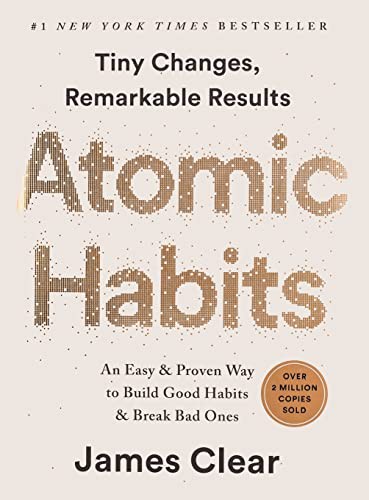
Atomic Habits
James Clear · 2018 · 320 pages · 4.9/5
Best for: building a habit from zero
The most actionable book on behaviour change: make it obvious, attractive, easy and satisfying. Its real contribution is showing how environment beats willpower.
The most popular book on habit-building: how small changes compound into remarkable results, and how bad habits break down.
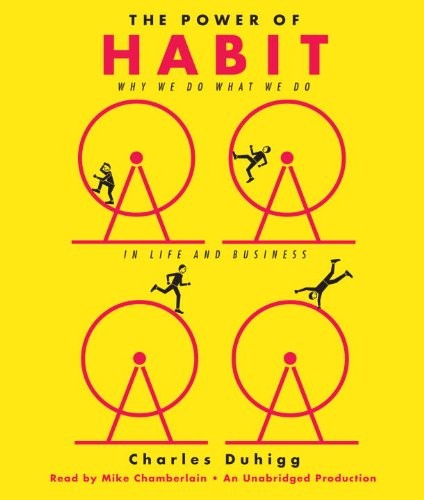
The Power of Habit
Charles Duhigg · 2012 · 371 pages · 4.5/5
Best for: understanding why habits stick
The journalism and science behind the cue-routine-reward loop. Read it after Atomic Habits if you want to know why the tactics work.
Why habits live in our brains, how companies and movements exploit them, and how to rebuild your own routines deliberately without relying on willpower.
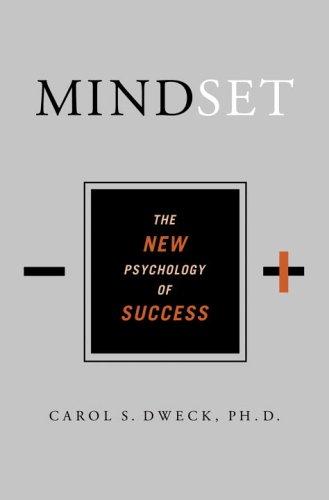
Mindset
Carol Dweck · 2006 · 276 pages · 4.7/5
Best for: surviving failure without quitting
The fixed-versus-growth mindset distinction is simple and slightly oversold, but the practical effect on how you respond to setbacks is real.
The difference between a fixed and a growth mindset, and how it shapes how you see failure, success and learning.
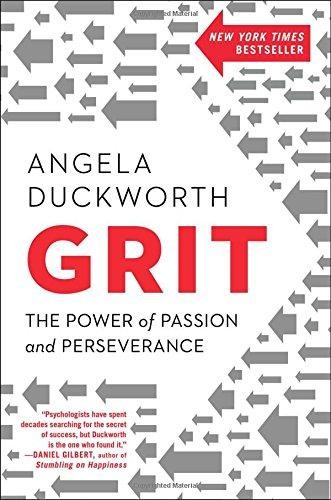
Grit
Angela Duckworth · 2016 · 352 pages · 4.4/5
Best for: long-term persistence
A useful corrective to talent-worship, with one caveat: persistence without feedback is just stubbornness. Read it alongside a book on deliberate practice.
Why sustained passion and perseverance predict achievement at least as well as talent — and how to cultivate both in yourself and in the people you lead.
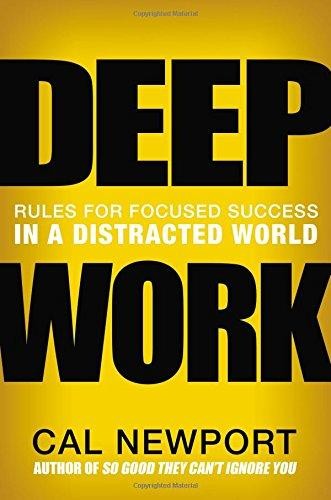
Deep Work
Cal Newport · 2016 · 304 pages · 4.6/5
Best for: producing work that matters
The strongest case for undistracted concentration, and a practical menu of routines for protecting it. The most useful book on this list for anyone paid to think.
In a distracted world, the ability to focus deeply is the rare skill that creates outsized results.
Essentialism
Greg McKeown · 2014 · 260 pages · 4.4/5
Best for: doing less, better
A disciplined answer to the overloaded calendar. The question it teaches — "what is the one thing I should say no to?" — is worth more than most time-management systems.
The disciplined pursuit of less: how to identify the vital few things that matter and say a graceful no to almost everything else demanding your attention.
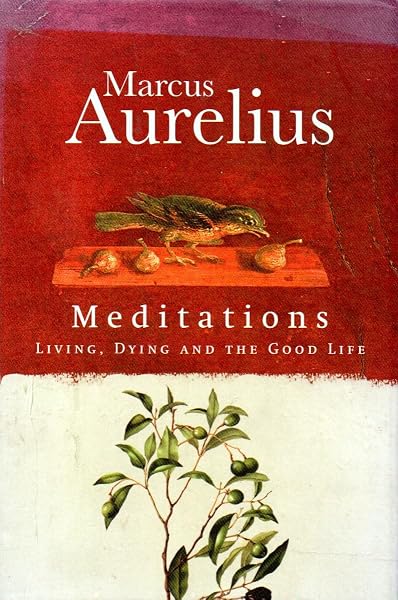
Meditations
Marcus Aurelius · 180 · 254 pages · 4.8/5
Best for: calm under pressure
A Roman emperor's private notes on self-control, mortality and duty. No exercises, no acronyms — just a voice you can return to for decades.
The private notebook of a Roman emperor: Stoic practices for calm, self-discipline and perspective under pressure.

Man's Search for Meaning
Viktor Frankl · 1946 · 165 pages · 4.7/5
Best for: direction when everything feels pointless
Frankl's account of survival and meaning is not a productivity book, and that is exactly why it belongs here. It answers the question the other books assume.
A psychiatrist survives the camps and draws a quiet, profound conclusion: those who have a why can endure almost any how, and meaning is a choice we keep.
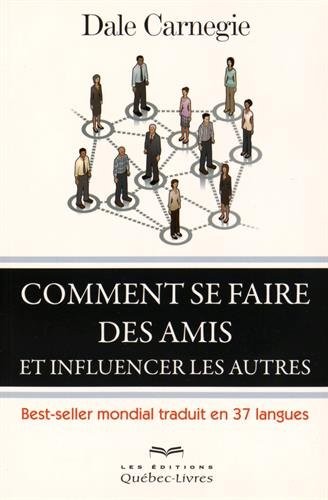
How to Win Friends and Influence People
Dale Carnegie · 1936 · 288 pages · 4.7/5
Best for: getting along with people
Old-fashioned, occasionally manipulative in tone, still unmatched on listening, names and disagreement. Read the principles, skip the era-specific anecdotes.
The classic on communication and influence: how to build better relationships and avoid needless conflict.
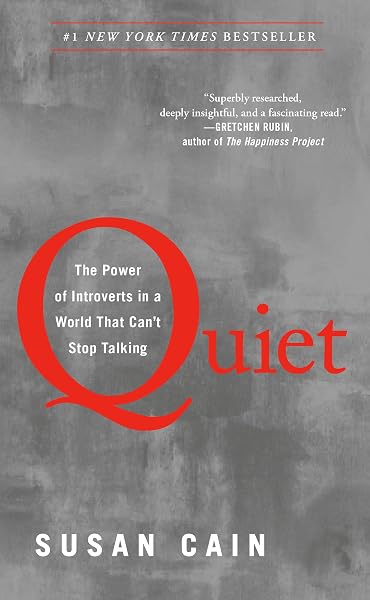
Quiet
Susan Cain · 2012 · 368 pages · 4.5/5
Best for: introverts in an extrovert workplace
A validating, well-researched book about how quiet people contribute. Useful for introverts and for anyone who manages them.
A third of people are introverts, and modern culture is built as though they are a problem to fix. A calm, well-researched case for the other half of the room.
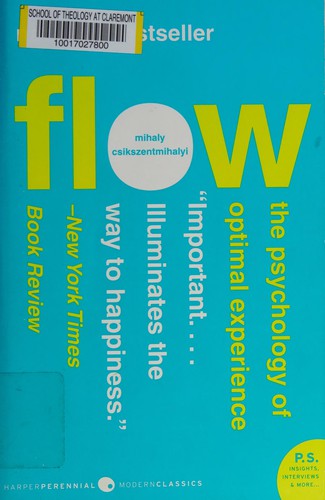
Flow
Mihaly Csikszentmihalyi · 1990 · 303 pages · 4.5/5
Best for: enjoying the work itself
The psychology of absorbed attention. It explains why some hard work feels effortless and why some easy work feels draining.
The classic study of optimal experience: how full absorption in challenging work makes life feel worth living, and how to find far more of it in ordinary days.
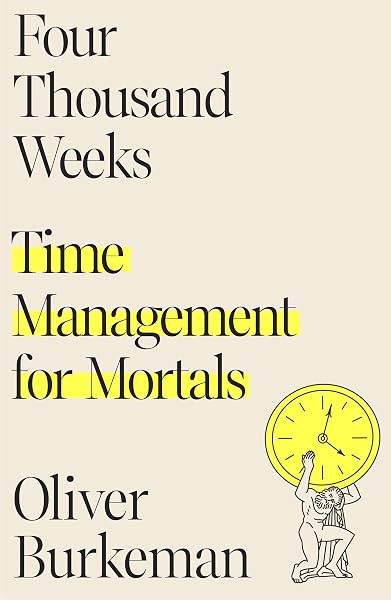
Four Thousand Weeks
Oliver Burkeman · 2021 · 288 pages · 4.5/5
Best for: accepting that you cannot do it all
A bracing, funny book about finite time. It is the antidote to every productivity system that promises you can fit more in.
An eighty-year life is about four thousand weeks. This is a time-management book that argues the backlog will never be cleared — and that accepting this is the only way to live.
How to choose
If you feel stuck, read Mindset and Man's Search for Meaning first. Tactics do not fix a direction problem.
If you are busy but not productive, read Deep Work and Essentialism together. One protects your attention; the other protects your calendar.
If you are starting something new, read Atomic Habits and Grit. One gets you started; the other keeps you going past the boring middle.
If you are exhausted by self-improvement itself, read Four Thousand Weeks and Meditations. Not every problem needs a system.
Frequently asked questions
What is the single best self-development book?
Atomic Habits for most people, because it is specific, practical and easy to apply the same week. If your problem is direction rather than discipline, Man's Search for Meaning or Mindset is a better first choice.
Are self-development books actually useful?
The good ones are, because they give you a concrete behaviour to test. The bad ones give you a feeling of progress without changing anything. Judge a book by what you did differently a month later.
Which book should I read first?
Pick the bottleneck: no habits, start with Atomic Habits; no focus, start with Deep Work; no direction, start with Man's Search for Meaning; too much to do, start with Essentialism.
Do I need to buy all of these?
No. Our summaries exist so you can decide. Buy the one or two that match your current problem and borrow the rest from a library or read the summary.
📚 More buying guides
More ranked lists for the problems you are solving next.