How to Open a Roth IRA in 2026: A Step-by-Step Guide
A Roth IRA lets your money grow and come out tax-free in retirement. Here is how to open one in 2026, fund it, and choose simple investments.
A Roth IRA is one of the simplest retirement accounts available in the United States, and one of the most valuable if you start early. You contribute money you have already paid tax on, it grows inside the account, and qualified withdrawals in retirement come out tax-free. Opening one takes less than an hour. The harder part is doing the small steps in the right order.
Check you are eligible first
You need earned income — wages, salary or self-employment income — to contribute, and your ability to contribute directly phases out at higher incomes. For 2026 the standard contribution limit is set by the IRS each year and is higher if you are 50 or older, so check the current IRS limit and the current income phase-out ranges before you transfer any money. If your income is above the direct limit, do not guess at workarounds; that is a specific tax question worth professional advice.
Choose a provider and open the account
Most large brokerages and several banks offer Roth IRAs with no account fee. Compare four things: whether there is an account minimum, the cost of the index funds you actually plan to buy, how good the automatic transfer tools are, and whether customer support answers the phone. For a beginner, a major low-cost brokerage with a wide range of commission-free index funds is usually the sensible default. Avoid providers that push expensive managed products as the price of opening an account.
To open it you will need your Social Security number, date of birth, address, employment details and bank information for funding. Online applications typically ask you to name beneficiaries as well — do not skip that step, because the beneficiary form generally controls who receives the account, whatever your will says. Keep the confirmation and your beneficiary designations somewhere your family could find them.
Fund it, then automate it
Link your bank account and make a first transfer, even a small one. Then set an automatic monthly contribution that lands just after payday, sized to reach your annual target without strain. Automation matters more than the amount at the start: a modest transfer that happens twelve times a year beats a large intended transfer that happens once. Remember that a contribution counts for the tax year you designate, and providers let you choose the year during the part of the year when both are open — select carefully.
Choose investments inside the account
Opening and funding the account does not invest the money. Cash sitting in a settlement fund is not a retirement plan. Most beginners are best served by a single broad, low-cost index fund — a total US stock market fund, or a target-date fund that adjusts its mix as you age. Both are diversified in one purchase. Investing involves risk, including losing money, and no fund guarantees a return; what diversification and low fees do is remove avoidable risks and avoidable costs, not risk itself.
Roth IRA or 401(k)?
They are complements, not rivals. If your employer offers a 401(k) with a matching contribution, contributing enough to get the full match usually comes first, because a match is part of your pay. After that, many people prefer a Roth IRA for its investment choice and tax-free withdrawals, then return to the 401(k) if they can save more. The right order depends on your tax bracket now versus in retirement, which is exactly the judgement a generic guide cannot make for you. For the full comparison, see Roth IRA vs. 401(k): Which Should You Fund First?.
Common mistakes to avoid
The frequent errors are unglamorous: contributing more than the annual limit or more than your earned income, forgetting to invest the money after funding, naming no beneficiary, withdrawing earnings early without understanding the rules, and opening the account in a burst of motivation and never automating a transfer. A second, quieter mistake is choosing investments you do not understand because they performed well last year. Boring, diversified and cheap beats exciting and concentrated for most retirement money.
Confirm your earned income and the current IRS limit, pick a low-cost provider, open the account and name beneficiaries, fund it and set an automatic monthly transfer, then invest the balance in a broad index fund or target-date fund you understand. Calendar a yearly check of your contribution total, beneficiaries and fund choice. That is the whole system: a Roth IRA rewards starting far more than it rewards cleverness, so the best time to open one is the week you first have earned income to put in it — and the second-best time is this week.
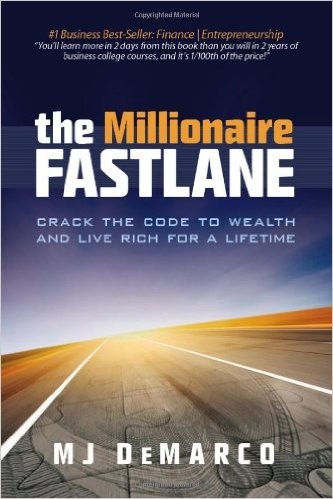
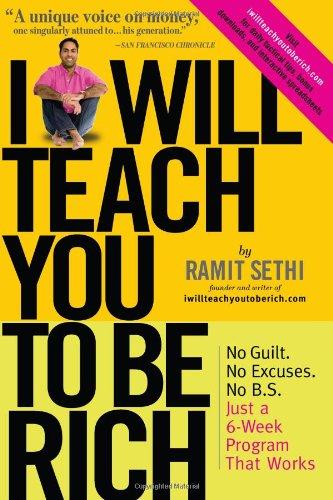
📚 Recommended reading
Print editions of books covered on this site that go deeper into this topic.
See all 12 books ranked in “Best Personal Finance Books for Beginners” →