Zero to One
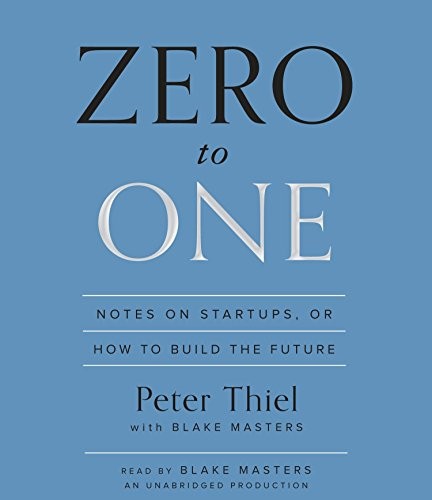
How to build a company that creates something entirely new rather than copying what exists.
Zero to one
Thiel distinguishes horizontal progress (copying what works: 1→n) from vertical progress (creating something new: 0→1). Great companies do the latter.
Questions you must ask
Before a venture, ask: what truth do few people know that most disagree with? What product has no substitute? Why now?
Positive monopoly
Great companies achieve a monopoly that starts small then expands. A monopoly is not necessarily evil; it can mean unique value for customers.
Sales and the future
The book teaches that sales is central to innovation, and a company needs a vision of the future, not just a product.
The takeaway
Real opportunity lives where others look away, and insight means seeing a market that looks empty but is full of possibility.
🔑 Key actionable ideas
- Start with something new (0→1), not a copy (1→n).
- Look for a truth that contradicts the majority.
- Build a small monopoly advantage, then expand.
- Sales and vision matter more than the product alone.
- Focus on unique value for the customer.
Who is this book for?
For founders and technology entrepreneurs, and anyone thinking about a new venture.
Final verdict
One of the best tech-entrepreneurship books, full of questions that reshape how you think.