Money & Investing

401(k), IRA, Roth: Retirement Accounts Explained Simply
401(k), IRA, Roth: Retirement Accounts Explained Simply

The alphabet of retirement accounts is mostly two questions: is the money taxed now or later, and does your employer add anything? Everything else is detail.

Almost every retirement account answers one of two questions. Traditional accounts give you a tax break now and tax you at withdrawal. Roth accounts tax you now and let withdrawals be tax-free later.

The second question is whether anyone else contributes. An employer match is free money, and no investment decision you make will beat it.

The order that usually makes sense

  • Contribute enough to get the full employer match. This is not a close call. An instant fifty or hundred percent return beats anything the market offers.
  • Build a small emergency fund. A few months of expenses, so a surprise does not become new debt.
  • Consider an IRA. Usually more choice and lower fees than a workplace plan.
  • Go back and max out the workplace plan.

Traditional or Roth?

The honest answer is that it depends on your tax rate now versus in retirement, which nobody knows. A reasonable rule for most people early in a career, when income is lower, is to lean Roth.

The more important point is that the choice matters far less than starting. The difference between the two accounts is a few percentage points of tax. The difference between starting at 25 and starting at 35 is enormous.

The account is a tax decision. The fund inside it is an investing decision. Keep them separate.

What to buy inside the account

The default is often a target-date fund, which is a reasonable choice โ€” it shifts from stocks to bonds automatically as you approach retirement.

If you prefer to choose, a broad index fund with a very low fee is the standard answer. Either way, leaving the money in cash inside a retirement account is the one thing to avoid.

The bottom line

Get the match first, then a small safety net, then a low-cost account. Traditional versus Roth is a smaller decision than it feels like. Starting is the decision that matters.


Related articles

How Credit Scores Work and How to Improve Yours

How Credit Scores Work and How to Improve Yours

Your credit score quietly decides the price of many things you buy with borrowed money. Here is how it is built, what moves it, and how to raise it.

๐Ÿ“ Money & Investing ๐Ÿ—“ September 26, 2026 โฑ 8 min read
Protecting Your Savings From Inflation

Protecting Your Savings From Inflation

Inflation is a quiet tax on cash. This guide explains how it erodes savings and what practical steps can help your money keep its purchasing power.

๐Ÿ“ Money & Investing ๐Ÿ—“ September 27, 2026 โฑ 9 min read
Buying Your First Stock: A Step-by-Step Guide

Buying Your First Stock: A Step-by-Step Guide

Buying your first stock is less about picking a winner and more about setting up a sound process. Here is a calm, step-by-step walkthrough.

๐Ÿ“ Money & Investing ๐Ÿ—“ September 28, 2026 โฑ 10 min read

Suggested summaries

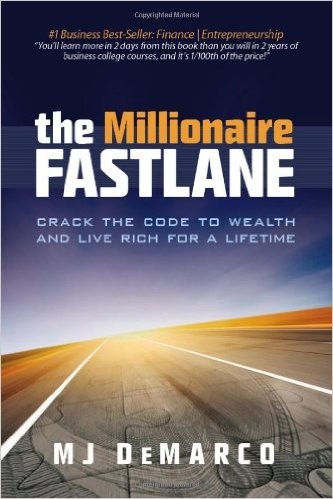
Money & Investing The Millionaire Fastlane book cover

The Millionaire Fastlane

MJ DeMarco ยท 2011
โ˜…โ˜…โ˜…โ˜…โฏจ 4.5

A blunt attack on the slow path to wealth: why renting out your time keeps you stuck, and how owning a scalable system can buy back your freedom.

Money & Investing
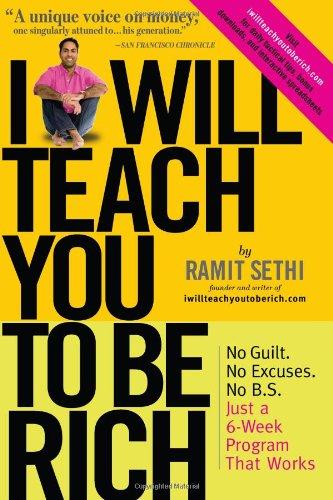
Money & Investing I Will Teach You to Be Rich book cover

I Will Teach You to Be Rich

Ramit Sethi ยท 2009
โ˜…โ˜…โ˜…โ˜…โฏจ 4.5

Ramit Sethi skips the guilt and the lattes: automate your finances, spend freely on what you love, and invest early in simple, low-cost funds.

Money & Investing
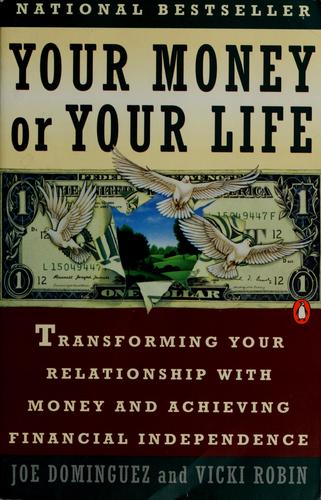
Money & Investing Your Money or Your Life book cover

Your Money or Your Life

Vicki Robin ยท 1992
โ˜…โ˜…โ˜…โ˜…โฏจ 4.5

A classic that reframes money as life energy: track what you trade your hours for, spend on what truly satisfies you, and reach the crossover point.

Money & Investing