Self-Development

Public Speaking: A Structure That Survives Nerves

Public Speaking: A Structure That Survives Nerves

Nerves do not disappear with practice, so build a talk that works anyway: a clear spine, a strong opening, and rehearsal that targets the hard parts.

An audience can forgive a shaky voice. They cannot follow a talk with no shape. The biggest improvement available to most speakers is a clear structure, not more confidence.

A reliable spine is three points. State them at the start, develop one at a time, and refer back to where you are. Repetition of structure feels obvious to you and feels clear to them.

The opening is the only part you must memorise

Memorise the first thirty seconds exactly. That is when nerves peak, and having something automatic to say carries you past the worst of it.

Do not memorise the whole talk. A fully memorised script collapses the moment you lose one word, and it sounds read even when it does not collapse.

Nervous speakers rush. The single most useful delivery habit is to pause after each key point instead of filling the silence.

Rehearse the transitions and the hard parts

Most people rehearse the beginning and the parts they enjoy. The failure points are the transitions and the sections you are least sure of, so rehearse those disproportionately.

Rehearse out loud and standing. Silent rehearsal teaches you the content but not the delivery, and delivery is where the nerves live.

Handle nerves rather than defeating them

  • Slow down, especially at the start.
  • Pause after key points rather than filling silence.
  • Look at a few friendly faces rather than scanning the whole room.

The goal is not zero nerves. It is a talk structured well enough that you can deliver it while nervous โ€” which is what almost every good speaker is actually doing.

The bottom line

Three clear points, a memorised opening, and rehearsal focused on the hard parts. Structure is what carries a talk when confidence does not show up.

Related articles

How to Stop Overthinking and Start Deciding

How to Stop Overthinking and Start Deciding

Overthinking disguises itself as careful thinking, but it is usually a loop that quietly replaces action. Here is how to notice the loop and break it with small, concrete moves.

๐Ÿ“ Self-Development ๐Ÿ—“ October 4, 2026 โฑ 7 min read
Reclaiming Your Focus in the Smartphone Era

Reclaiming Your Focus in the Smartphone Era

Attention is the raw material of everything you care about. These practical changes help you take it back from feeds that were designed to keep it.

๐Ÿ“ Self-Development ๐Ÿ—“ October 5, 2026 โฑ 8 min read
Read Faster and Understand More

Read Faster and Understand More

Reading faster is less about racing and more about dropping the habits that slow you down. A realistic guide to reading more without losing comprehension.

๐Ÿ“ Self-Development ๐Ÿ—“ October 6, 2026 โฑ 7 min read

Suggested summaries

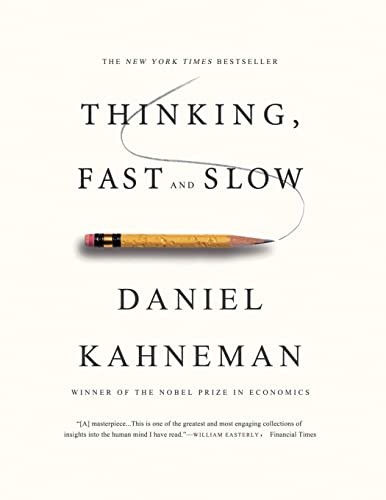
Self-Development Thinking, Fast and Slow book cover

Thinking, Fast and Slow

Daniel Kahneman ยท 2011
โ˜…โ˜…โ˜…โ˜…โฏจ 4.6

The Nobel-winning tour of how two systems in the mind shape judgement โ€” and why a confident feeling is often a poor guide to actually being right.

Self-Development
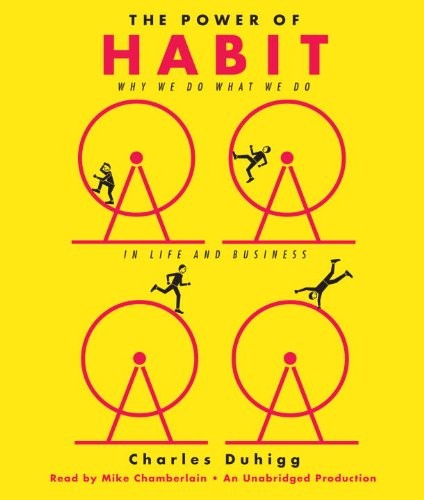
Self-Development The Power of Habit book cover

The Power of Habit

Charles Duhigg ยท 2012
โ˜…โ˜…โ˜…โ˜…โฏจ 4.5

Why habits live in our brains, how companies and movements exploit them, and how to rebuild your own routines deliberately without relying on willpower.

Self-Development
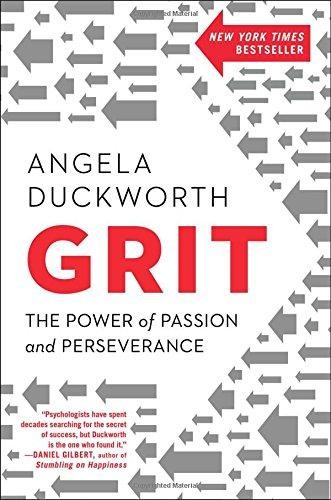
Self-Development Grit book cover

Grit

Angela Duckworth ยท 2016
โ˜…โ˜…โ˜…โ˜…โ˜† 4.4

Why sustained passion and perseverance predict achievement at least as well as talent โ€” and how to cultivate both in yourself and in the people you lead.

Self-Development