Self-Development

How to Make Hard Decisions Without Stalling
How to Make Hard Decisions Without Stalling

Most hard decisions feel hard because they are reversible and we are treating them as permanent. A short process for deciding well, and quickly.

The first question is not "what is the best option" but "what happens if I am wrong". If a decision is cheap to undo, speed beats precision, and deliberating is the expensive mistake.

Reserve real deliberation for the genuinely one-way doors: quitting, moving, large financial commitments, anything that cannot be taken back.

Write the two versions

Write down what you expect to happen if you choose A, and if you choose B. Be specific, and include a rough probability even if it is a guess.

This sounds obvious and it works, mostly because most of us never articulate the alternative. We compare a vivid option against a vague one, and the vivid one wins by default.

A decision you have not written down is usually a decision you have not actually made.

Look for the third option

Hard choices often look binary because nobody spent five minutes looking for a third path:

  • A trial period instead of a permanent commitment.
  • A smaller version of the same move, to test it cheaply.
  • A compromise that gives each side something it actually cares about.

Ask what you would do if both options were forbidden. The answer is frequently better than either.

Set a deadline and accept the residue

Give the decision a date. Not every hard choice resolves into certainty โ€” sometimes you pick the option with the best available evidence and carry some doubt forward.

That is the actual skill. Deciding with incomplete information, at a reasonable speed, and then committing instead of relitigating it every week.

The bottom line

Sort reversible from irreversible, write both versions down, look for a third path, then decide by a date. Most stalling is not analysis. It is the absence of a deadline.


Related articles

How to Stop Overthinking and Start Deciding

How to Stop Overthinking and Start Deciding

Overthinking disguises itself as careful thinking, but it is usually a loop that quietly replaces action. Here is how to notice the loop and break it with small, concrete moves.

๐Ÿ“ Self-Development ๐Ÿ—“ October 4, 2026 โฑ 7 min read
Reclaiming Your Focus in the Smartphone Era

Reclaiming Your Focus in the Smartphone Era

Attention is the raw material of everything you care about. These practical changes help you take it back from feeds that were designed to keep it.

๐Ÿ“ Self-Development ๐Ÿ—“ October 5, 2026 โฑ 8 min read
Read Faster and Understand More

Read Faster and Understand More

Reading faster is less about racing and more about dropping the habits that slow you down. A realistic guide to reading more without losing comprehension.

๐Ÿ“ Self-Development ๐Ÿ—“ October 6, 2026 โฑ 7 min read

Suggested summaries

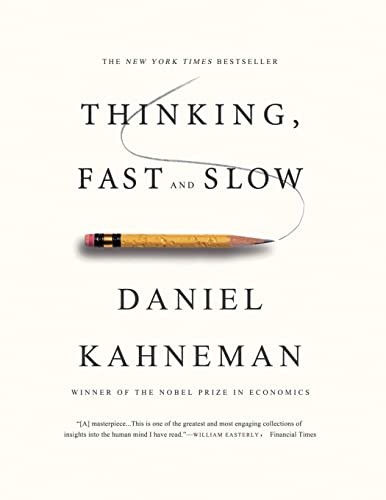
Self-Development Thinking, Fast and Slow book cover

Thinking, Fast and Slow

Daniel Kahneman ยท 2011
โ˜…โ˜…โ˜…โ˜…โฏจ 4.6

The Nobel-winning tour of how two systems in the mind shape judgement โ€” and why a confident feeling is often a poor guide to actually being right.

Self-Development
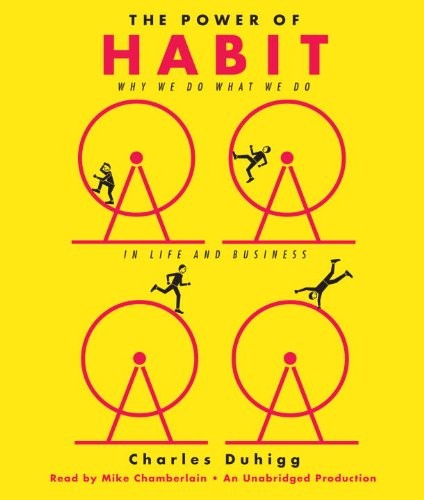
Self-Development The Power of Habit book cover

The Power of Habit

Charles Duhigg ยท 2012
โ˜…โ˜…โ˜…โ˜…โฏจ 4.5

Why habits live in our brains, how companies and movements exploit them, and how to rebuild your own routines deliberately without relying on willpower.

Self-Development
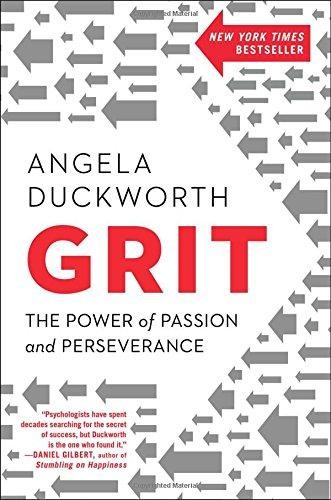
Self-Development Grit book cover

Grit

Angela Duckworth ยท 2016
โ˜…โ˜…โ˜…โ˜…โ˜† 4.4

Why sustained passion and perseverance predict achievement at least as well as talent โ€” and how to cultivate both in yourself and in the people you lead.

Self-Development